
"high coffee consumption"
7000 article(s) found

The wave of boutique coffee has grown into a huge commercial force-essentially a rise in consumption in the coffee sector
Boutique coffee is essentially the upgrading of consumption in the coffee field. People need more cost-effective and high-quality coffee. They not only attach importance to coffee processing technology, but also pick on the source of coffee beans from the source. For example, coffee from North Africa, Indonesia and other places is more popular because of its high quality. Boutique coffee has gradually become a favorite of Chinese coffee lovers. Ming Qian Coffee, Ming Qian

Analysis on the Brand Prospect of Coffee Market in China
According to a survey conducted by a national authority, the coffee franchise industry is growing at a rate of 25%, and cafes are becoming a bright spot for urban civilization progress and economic growth. At present, coffee consumption in China's cities, the average annual consumption of coffee per person is 4 cups, even in big cities such as Beijing and Shanghai, the annual consumption of coffee per person is only 20 cups. And in Japan and Britain,

Coffee consumption in China is estimated to increase by 20% a year.
For the exchange of professional baristas, please follow the coffee workshop (Wechat official account cafe_style). Although China's annual per capita coffee consumption is still far from that of advanced countries. However, in China's coastal cities and other areas, coffee is being accepted by a large number of young people, and even loved by the middle class. Experts even predict that the total coffee consumption in China will grow at an average annual rate of 20% in the future.

Large coffee chains have entered China one after another-domestic coffee shops are also on the rise
1: China's sustained high economic growth, the increasing improvement of people's living standards, the increasing diversity and improvement of the quality of life, and the economic possibility of coffee consumption have directly catalyzed the vigorous development of the coffee industry. 2: the influence of globalization has led to the internationalization of consumption habits, and the number of people drinking specialty coffee is expanding. 3: large coffee chains have entered China.

Moderate coffee consumption during the day and alcohol consumption at night
Studies in England and Denmark have found high rates of coronary heart disease among heavy drinkers, but surprisingly higher rates among people who do not drink at all. It is worth noting that Europeans usually drink wine and water with their meals, while Americans often drink milk, iced tea, soft drinks or coffee. Drinking red wine in moderation can prevent heart disease and some cancer diseases

What is the proportion of China's coffee consumption in the world in 2016?
What is the proportion of China's coffee consumption in the world in 2016? China's coffee manufacturing level is still in the stage of development, while Chongqing is close to Yunnan, the largest coffee base in China, and has developed convenient transportation conditions. as a result, enterprises have set the goal of making great strides in transforming the high-tech coffee production industry. From a market point of view, freeze-dried coffee is not the majority, but enterprises

China's coffee consumption increased by more than 20% annually, exceeding the global average growth rate by 10 times
The only coffee professional exhibition in South China 2014 Guangzhou Coffee Expo opened on the 11th. The reporter learned from the exhibition that the rapid development of China's coffee market, the annual coffee consumption growth rate of more than 20%, is more than 10 times the world average consumption growth rate. Consul generals of Uganda, Ethiopia and Turkey attended today's opening ceremony. The exhibition covers an area of nearly 10,000 square meters
Investment Analysis and Prospect Forecast of Chinese Coffee Industry
Coffee, tea and cocoa are called the three major drinks in the world. Coffee tree is a small evergreen tree of Rubiaceae. Coffee for daily consumption is made from coffee beans combined with various cooking utensils, and coffee beans refer to the nuts in the fruit of coffee trees, which are then roasted by appropriate roasting methods.

Regular consumption of coffee and herbal tea can reduce liver cirrhosis
Following caf é comments (official Wechat account vdailycom) found that Beautiful Cafe opened a small shop of its own in June 2017. the results of a study published in Journal ofHepatology magazine showed that regular consumption of coffee and herbal tea by ordinary people could reduce liver cirrhosis. The volunteers who participated in the trial received transient elastography (transientelastography) and ultrasound examination of the liver.

The annual growth rate of coffee consumption in China is 10 times higher than that in the world.
The only coffee professional exhibition in South China, the 2014 Guangzhou Coffee Expo, opened on the 11th. The reporter learned from the exhibition that with the rapid development of China's coffee market, the annual coffee consumption growth rate is more than 20%, which is more than 10 times the world average consumption growth rate. The consul general of Uganda, Ethiopia, Turkey and other countries attended today's opening ceremony. The exhibition area is nearly 10000 square meters.
Not only selling coffee, the first Costa WeChat Pay flagship store wants to play "social consumption".
Unlike using a fully automatic coffee machine, Costa always insists on making coffee by hand, giving customers the most mellow taste. However, the quality of this kind of slow workers is different from the pace of life in pursuit of speed. How to make customers enjoy the highest quality coffee in the shortest time, Costa has found a breakthrough with the help of mobile payment tools. This is located in Xinguang, Beijing.

China has great potential for coffee consumption-call on more coffee enterprises to make efforts on deep processing and brands.
The meeting recommended that all member enterprises: first, put the standardized processing methods of Yunnan coffee on the agenda and devote themselves to processing high-quality coffee; second, note that Yunnan will change the pattern of relying entirely on exports in three years' time, and coffee exports will be reduced to 10% of the total; third, there is great potential for coffee consumption in China, calling on more coffee enterprises to make efforts on deep processing and brands. Coffee industry in Yunnan Province

China is expected to become the most potential coffee consumer in the world.
Coffee, as a traditional western drink, has a long history and cultural heritage. The world consumes at least 400 billion cups of coffee every year, and the current annual global coffee consumption is about 10 million tons. Coffee is the first of the three largest drinks in the world, and it is also the second largest trading commodity in the world after oil. Shanpu consulting industry analyst pointed out that the world coffee consumption is about one year larger than cocoa and tea.

As an additional product in the store, can coffee really increase income?
The essence of coffee is a daily drink. Food is the most important thing for the people, and coffee still bears the label of high-end consumption in people's consumption concept and daily understanding. You know, instant coffee is of course an exception. The process of growing coffee was very bumpy. In the earliest days, only the top members of the royal family were allowed to enjoy coffee, which was almost exclusive to the king.
The "Korean Wave" of coffee consumption market is surging.
With the growth of young and fashionable people and the substantial growth of returnees and overseas travelers, coffee culture has developed rapidly in China, and cafes have become a popular place for modern urbanites to gather and relax. Statistics show that coffee consumption in China is growing at an annual rate of 10% to 15%, and the number of cafes has doubled in the past five years. Annual per capita consumption of coffee in Japan and South Korea

China's coffee market is about to rise rapidly.
Coffee as a new drink has attracted the eyes of the majority of consumers after it entered the Chinese market. The domestic coffee market shows a scene of rapid development. More entrepreneurs choose to invest in the coffee industry. Investors understand the development trend of the coffee industry, in order to have more assurance of success, in order to better manage their own coffee business. China is entering an era of high coffee consumption. More
Coffee consumption market "Korean Wave" surging market space is huge
With the growth of young and fashionable people and the substantial growth of returnees and overseas travelers, coffee culture has developed rapidly in China, and cafes have become a popular place for modern urbanites to gather and relax. Statistics show that coffee consumption in China is growing at an annual rate of 10% to 15%, and the number of cafes has doubled in the past five years. The annual per capita consumption of coffee in Japan and South Korea has reached 3.

The upgrading of consumer taste, how to break the taste myth of Starbucks
Professional baristas Please follow the Coffee Workshop (Wechat official account cafe_style) is facing an economic downturn. Starbucks, which has always been regarded as a coffee shop with a high taste of life, will close about 600 chain stores in the United States and six stores in Taiwan. This will have a great impact on some upper-middle class ethnic groups, but on the other hand, it will affect Taiwan.

From instant noodles to coffee brewing, the transformation of consumption concept has spawned new growth points in China
Shoppers in the world's second-largest economy are getting richer and older: instant coffee is giving way to brewed coffee, boutique beer is gaining popularity, and the halo of mainstream beauty products is being replaced by more expensive products. Meanwhile, instant noodle sales are declining. Morgan Stanley (32.9, -0.03, -0.09%) and London-based market research firm Mintel Group Ltd.
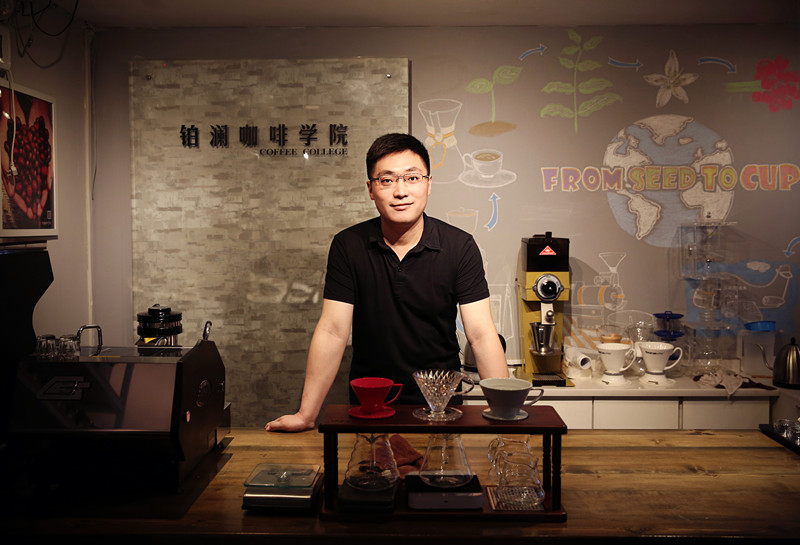
How to price Chinese coffee and boutique coffee
The Pulan Coffee Institute has been in no mood to write anything since the deadline for "falling in love with the cafe" in July, and I feel like my brain has been hollowed out. Recently, there has been a heated discussion about the pricing strategy of coffee in the industry, which has given me some ideas. I am a person who doesn't like clouds and cocoons very much, so it's in my nature to come straight to the point. First of all, satisfy people's basic physiology and convenience.